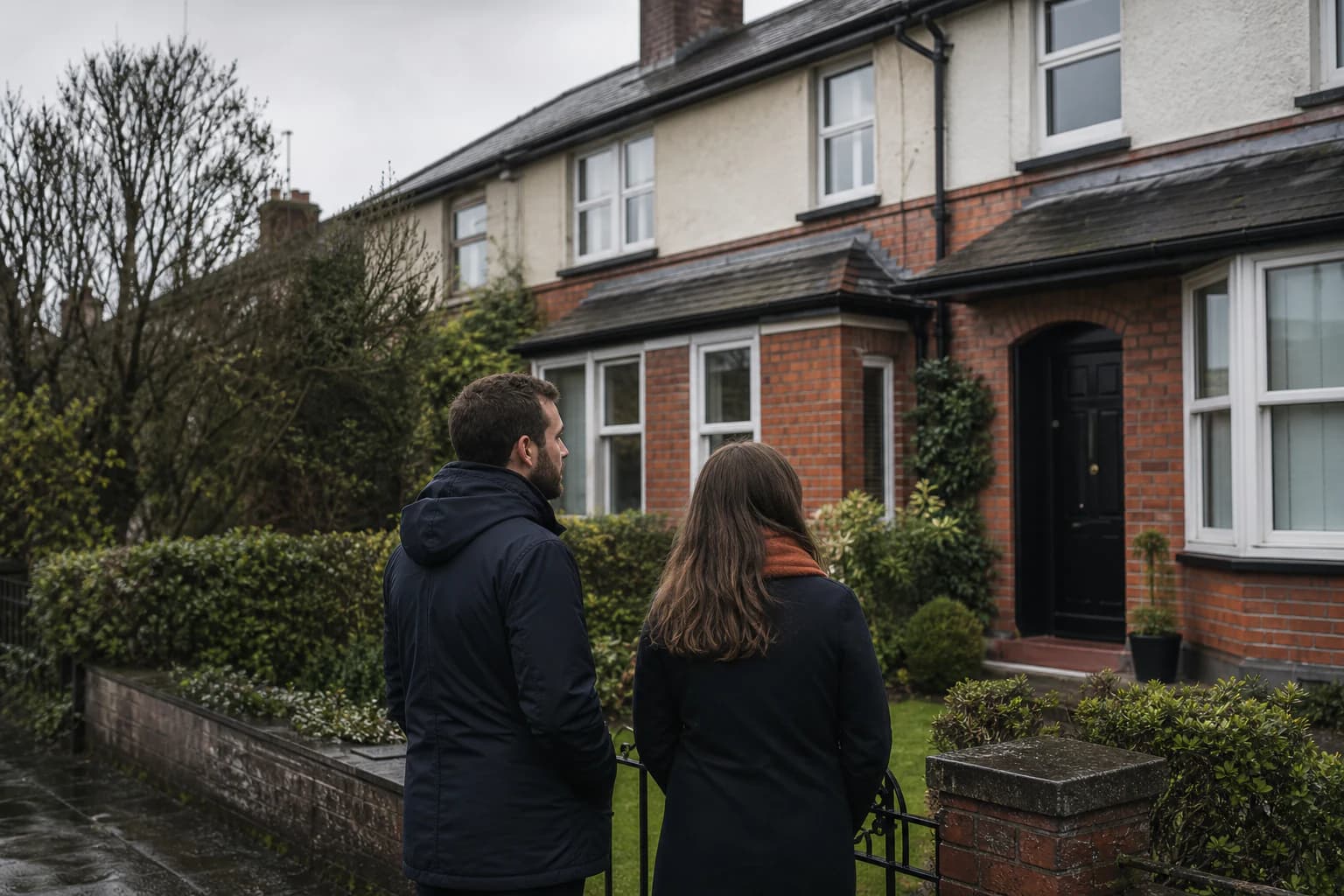
A viewing lasts twenty minutes, and the agent has done hundreds of them. You have done a handful. The gap closes fast if you arrive with the right questions and know which answers to verify afterwards rather than take on trust. Here is what to ask the estate agent at an Irish house viewing, what to look at while you are in the building, and the desk checks worth running before you go — so you spend the twenty minutes on the things only a visit can tell you.
Before the viewing: five minutes of desk checks
Much of what a buyer wants to know about a house is a public record, and records are easier to read at a kitchen table than in a hallway with the agent waiting. Before you go:
- Sold prices nearby. The Property Price Register shows what comparable homes on the street actually sold for, which is the number your bid should be anchored to — not the asking price.
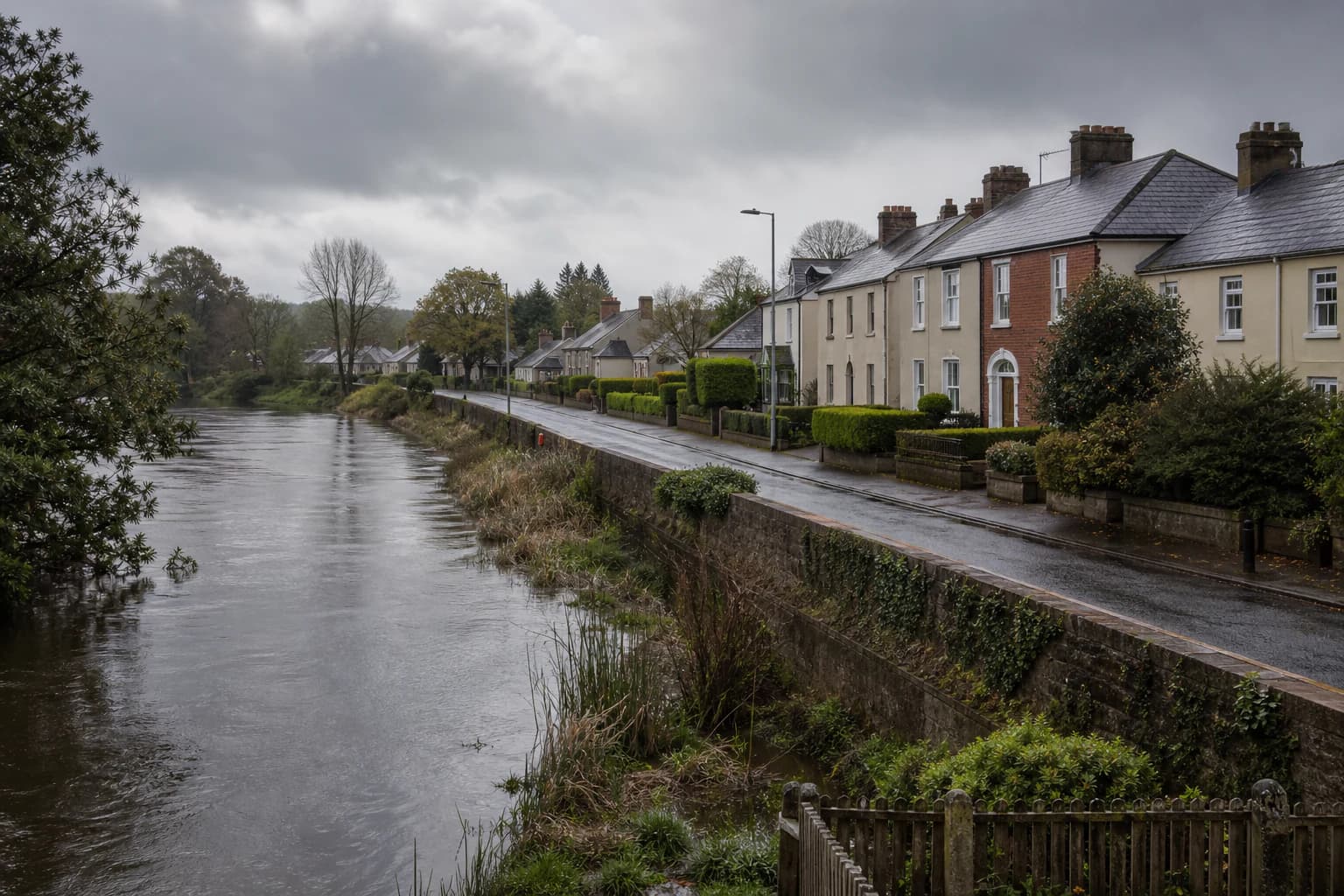
- Flood zone and flood history. The OPW maps show whether the address sits in Flood Zone A or B; if it does, a question about flood insurance becomes the most important one you ask.
- Radon area, mica and pyrite designations. The EPA radon map and the defective-blocks scheme designations are county- and area-level facts you should know before you look at a single crack in the render.
- Planning nearby. A granted application two doors down changes the view, the light and the parking. Council planning portals are public.
A PropertyPack snapshot compiles these from official sources for any Eircode in about a minute, free — enough to walk in knowing what the agent may not volunteer.
Questions to ask the estate agent
Irish estate agents must hold a PSRA licence and must answer honestly, but they act for the seller, not for you. Ask direct questions and note the answers; anything material goes to your solicitor to confirm in writing later.
- Why is the owner selling, and how soon do they want to close? A seller who has already bought elsewhere is under time pressure; a probate sale or a seller still house-hunting can drag for months. The answer shapes both your offer and your timeline.
- How long has it been on the market, and has the price changed? A recent reduction or a relaunch tells you how earlier viewers valued it.
- Are there offers on it, and at what level? Agents can say whether bids exist and at what level; you cannot verify the bidders, so treat the figure as information rather than a floor.
- What is the BER, and is the certificate available? A BER rating must appear in the advertisement of any home for sale, and the advisory report that comes with the certificate lists the upgrades the assessor recommended — a free preview of the heating bill and the retrofit list.
- What exactly is included? Appliances, curtains, light fittings, the shed, the garden furniture. Get the contents list into the contract rather than the conversation.
- Have there been any extensions or attic conversions, and is there planning or an exemption certificate for them? Unpermitted works surface late in conveyancing and can stall a mortgage drawdown.
- Has the house ever flooded, or made an insurance claim? Ask it plainly. Then ask an insurer for a real flood-cover quote before you bid — the flood insurance guide explains why a restriction matters to the mortgage.
- How old are the boiler, the wiring and the windows, and when was the roof last worked on? The agent may not know; the seller does. Age and service history are what a surveyor will want to hear too.
- For an apartment: what is the management fee, what does it cover, and how healthy is the sinking fund? Ask for the most recent accounts and whether any levies are planned. A management company in difficulty is a cost you inherit.
- Who are the neighbours, and are any of the adjoining properties rented or vacant? Not a judgement, a fact about the street.
- Is the seller open to a survey before going sale agreed? Most surveys happen after sale agreed, but the answer tells you how the seller expects the process to run.
What to look for while you are in the house
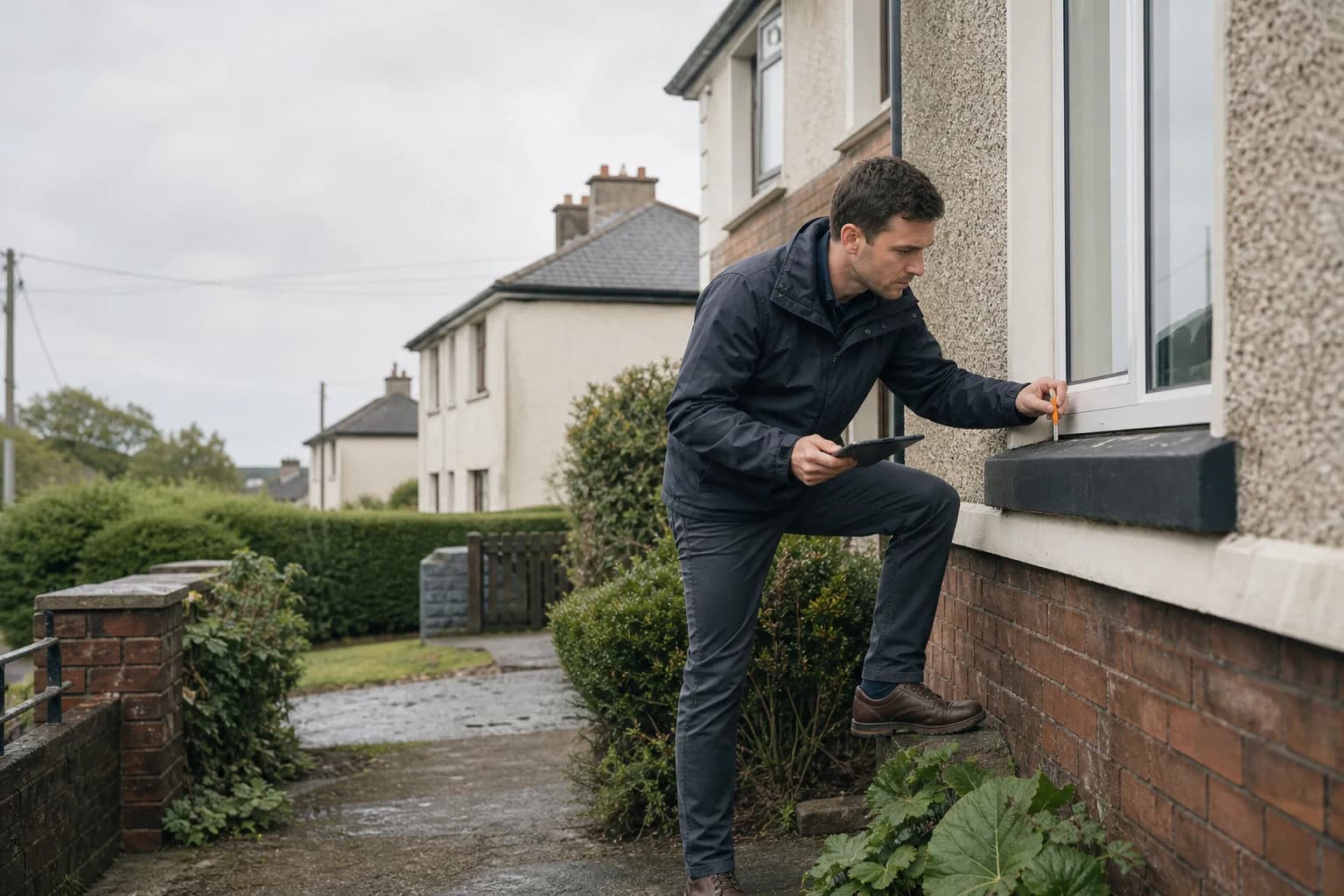
You are not the surveyor, and you should not pretend to be — the surveyor's inspection comes later and goes deeper. But a viewing is your one chance to notice what a listing photograph is framed to hide:
- Damp. Tide marks low on walls, bubbling paint, a musty smell in a room with the window shut, fresh paint on one wall only. Look behind furniture pushed against external walls.
- Cracks. Hairline cracks in plaster are common; stepped cracks following the mortar joints outside, or cracks wide enough to take a coin, are questions for the surveyor — and, in a designated county, for the mica guide above.
- Water and heat. Run a tap upstairs, flush a toilet, check the radiators are warm if the heating is on, open the hot press and look at the cylinder and the boiler's service sticker.
- Windows and doors. Open them. Condensation between double-glazing panes means a failed seal; doors that stick can mean movement.
- The attic. Ask to look. Insulation depth, daylight through the roof, and staining on the timbers all take thirty seconds to see.
- Outside. Gutters, the state of the render or brickwork, where rainwater goes, the boundary against the map, and whether the parking you were shown is actually yours.
- Phone signal and broadband. Check your phone in the back bedroom. Ask what broadband the seller has and what speed they get.
- Orientation and light. Note which way the garden faces and when the viewing was scheduled; a second visit at a different time of day is the honest test.
Take photographs, not notes
Photograph every room, the boiler, the fuse board, the attic hatch and anything that made you pause, with the agent's permission. Memory blurs three viewings into one by the evening; the photos are what you will send the surveyor and compare against the contents list.
After the viewing: turn answers into checks
The viewing gives you claims. The next step is to verify the ones that matter before money moves:
- Ask the agent for the BER certificate and advisory report, the planning documents for any extension, and, for an apartment, the management company accounts.
- Go back at a different time of day: a Friday evening tells you about the street in a way a Tuesday lunchtime cannot.
- Put the sold prices, flood zone, radon area and planning picture next to what you were told. Where the two differ, that is the question for your solicitor and your surveyor.
- Decide your ceiling from the evidence before you make a first offer, and work through the buying-a-house checklist for what comes after sale agreed.
The 18 checks you can't do at a viewing
A PropertyPack report compiles 18 location checks from official Irish data — flood, radon, mica designations, planning, sold prices, BER and more — for any Eircode, with a free snapshot in about a minute and the full report for €29. Run it on the shortlist before you book the viewings, and the twenty minutes go on the questions only a visit can answer.
About this article
Written by the PropertyPack.ie team and published 14 September 2026. Figures render directly from the official datasets behind our reports, so they update when the underlying record does. General information for Irish home buyers, not legal, financial or tax advice.