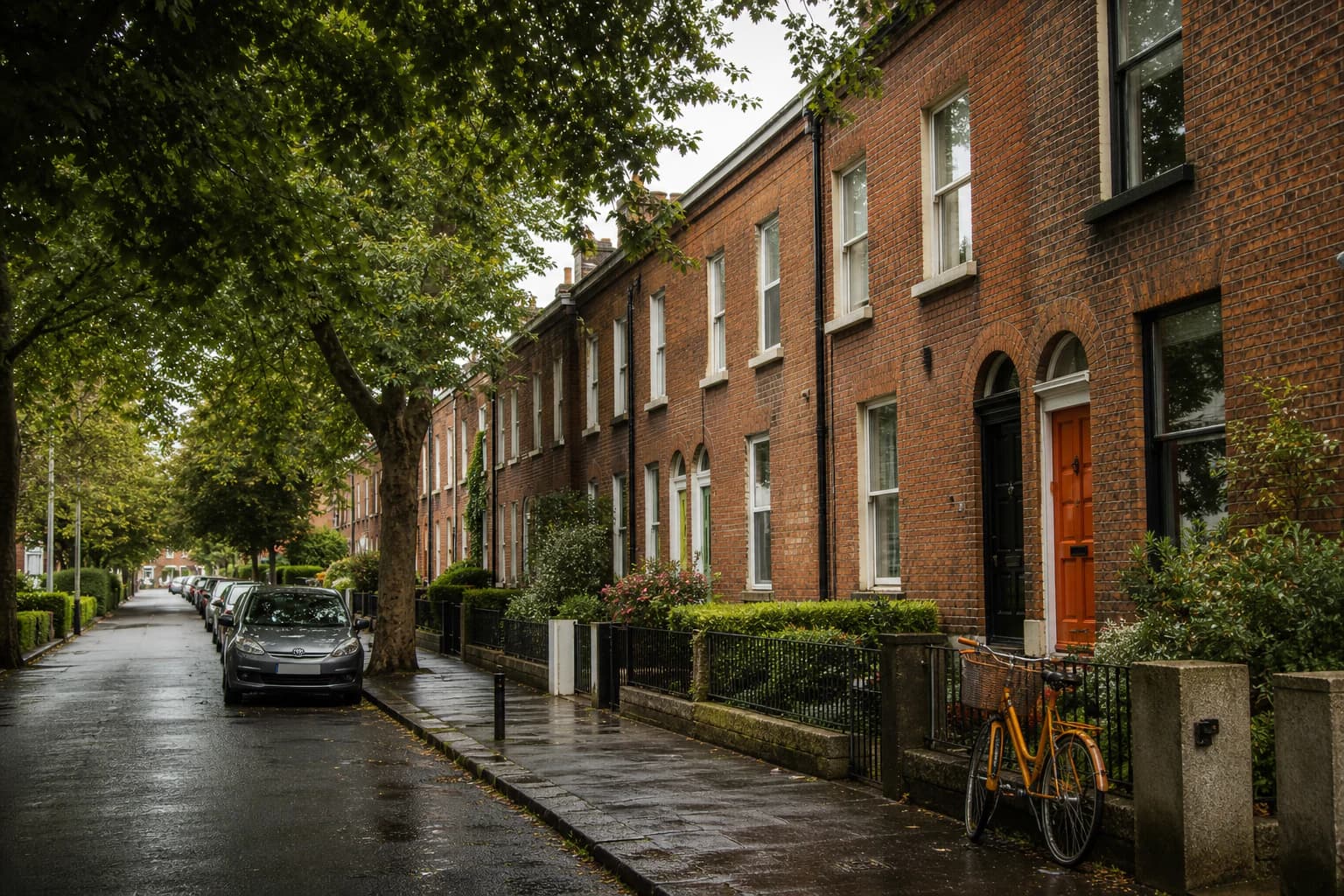
Buying a house in Ireland: the 12-step checklist.
Everything to check before you bid, after sale agreed, and before you close. In the order that saves you money.
Free snapshot in about a minute. Full 18-check report €29, no account needed.
Official data sourced from Irish government agencies












The Short Answer
What should you check before buying a house in Ireland?
Check the location's official records first (flood history, radon, mica/pyrite designations, BER, planning, crime and sold prices) because they cost almost nothing and rule houses out early. Pay for the surveyor and solicitor once, on the house you actually buy. Then close carefully: contracts, insurance, costs. In short, check in cost order: data, then professionals, then paperwork. Twelve steps, three phases, below. Not sure what the data checks return? See a sample property report, a real, anonymised pack for a County Wexford home.
18 Checks · 12 Gov Sources · €29
One report, 18 checks, €29.
Every location check on this list, run for the house you are looking at, is in the full report. Free snapshot in about a minute, the complete PDF for €29.
14 The Willows, Blackrock, Co. Dublin
A94 T2F9 · Free risk snapshot
What you get: one full dossier
Every official record on a single Irish home, gathered into one report you own. Pay per property, never a subscription.
What it checks: 18 official checks
Flood, radon, BER, planning and sold prices, plus 13 more, drawn from 12 government sources (OPW, EPA, SEAI, CSO, the Property Price Register and beyond) with every figure cited to its source.
What it costs: free, then €29
A full risk snapshot for any Eircode in about a minute, no card and no account. The complete report is €29, one property, one-off, delivered as a PDF in 2-3 minutes.
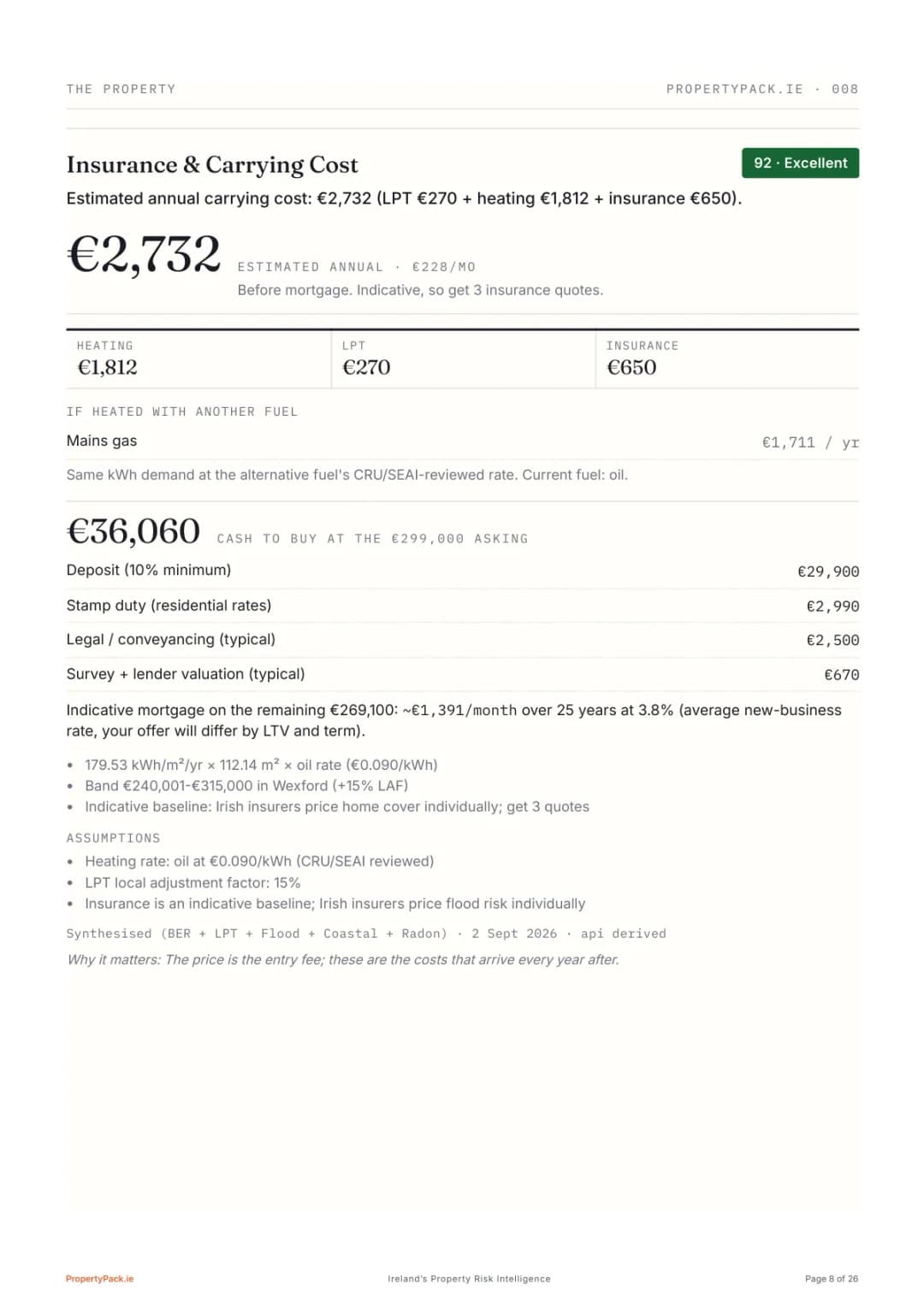
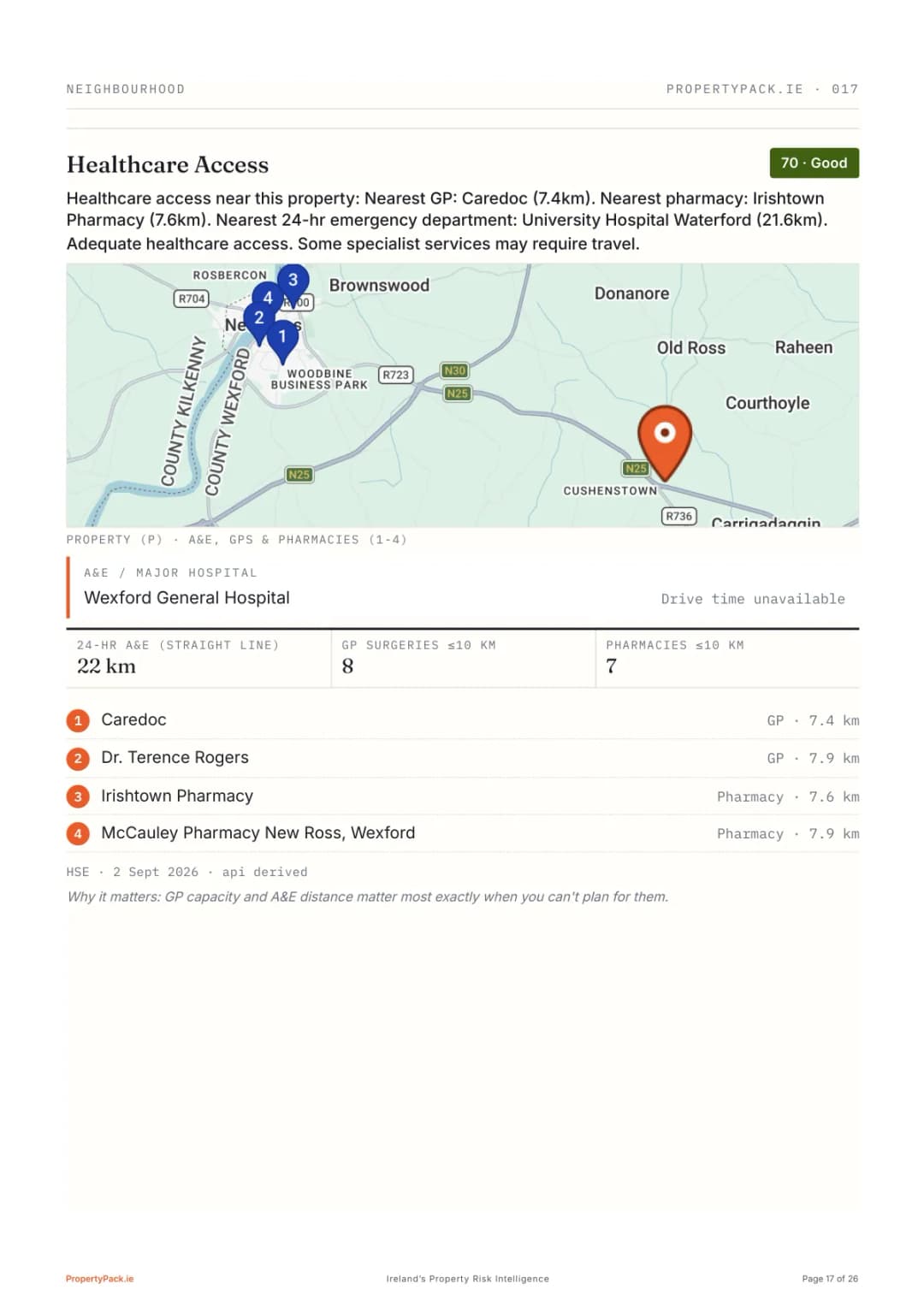
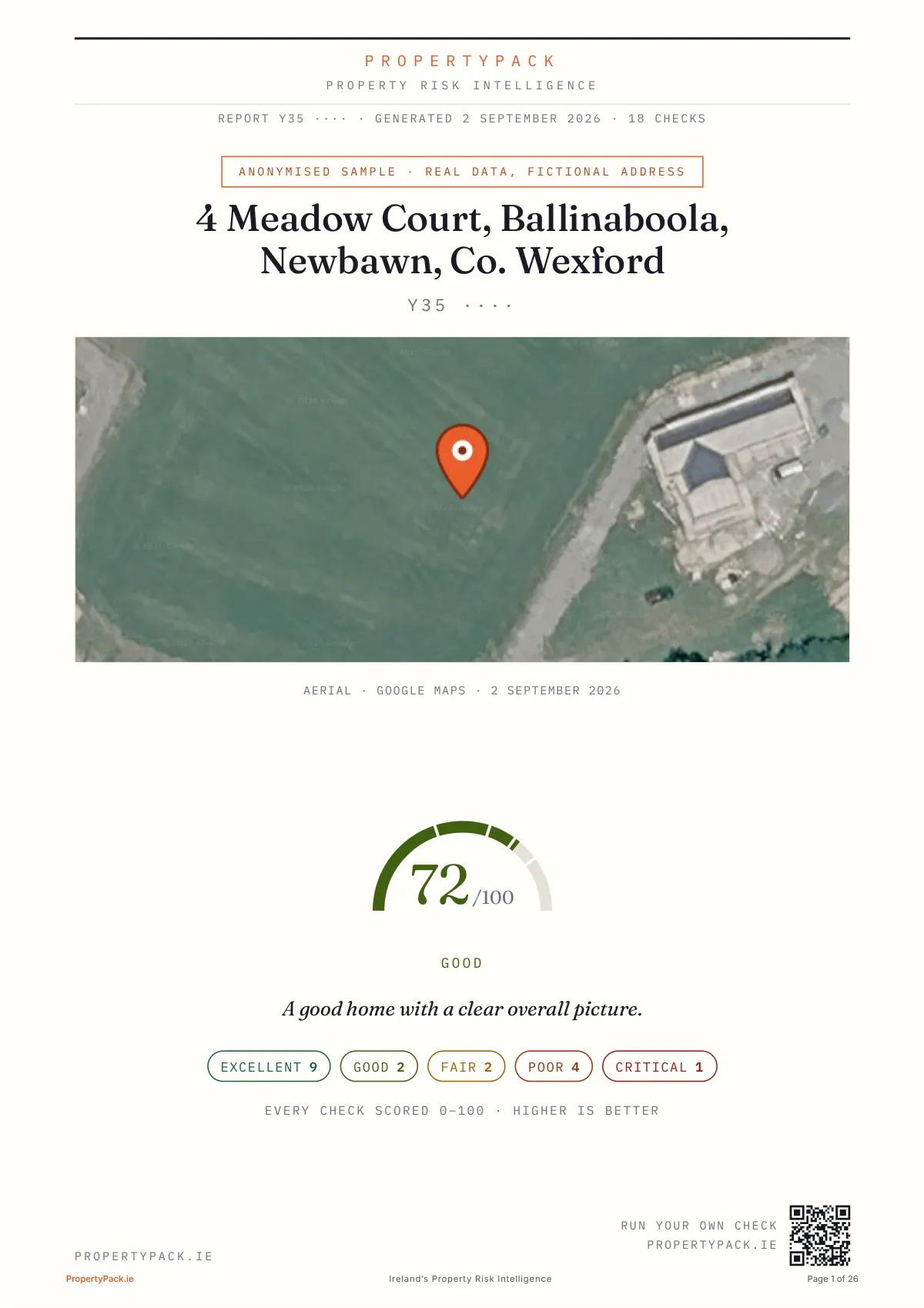
Single Report
ONE-OFF · ONE PROPERTY · PDF IN 2-3 MINUTES
- All 18 checks, full PDF
- Flood, radon, BER & planning maps
- Comparable sold prices (PPR)
- Buyer's notes & viewing checklist
- No account needed, secured by Stripe
Why buyers check first
The old way costs €2,000+ in fees before you find the dealbreaker. Reading the file first costs nothing, and the full dossier is €29, once. Never a subscription.
Specification
18 checks.
Every report. Every time.
Flood Risk
OPW
02Radon Risk
EPA
03BER Rating
SEAI
04Property Prices
Price Register
05Planning Applications
Local Authority
06Broadband Coverage
ComReg
07Schools
Dept. of Ed.
08Crime Statistics
CSO
09Air Quality
EPA
10Noise Levels
EPA
11Geology & Subsidence
GSI
12Coastal Erosion
OPW / GSI
13Mica & Pyrite
Scheme areas
14Transport & Commute
NTA / TFI
15Healthcare Access
HSE
16Local Property Tax
Revenue
17Insurance & Carrying Cost
Synthesised
18Neighbourhood & Lifestyle
CSO / Places
The Checklist
Twelve steps, three phases.
On every serious contender
Before you bid
Run the location's data checks
Flood history (OPW), radon (EPA), mica/pyrite designations, BER, planning applications, crime statistics, schools, broadband and more: 18 checks against 12 official sources, before you emotionally commit. This is the cheap step that stops you paying for expensive steps on the wrong house.
Run the Eircode checkCompare sold prices, not asking prices
The Property Price Register records what comparable homes actually sold for. In a bidding market, the gap between asking and sold is where budgets break, so anchor your maximum bid on evidence.
Think about flood insurance before you fall in love
Insurers decide flood cover address by address, and a restriction matters to your mortgage. If the data check shows flood history nearby, get a real quote before bidding, not after sale agreed.
How flood cover worksWalk the area at different times
No dataset replaces standing on the street on a Friday night and a Monday morning. Traffic, noise, parking, neighbours: verify the intangibles in person.
Get mortgage approval in principle first
Sellers take bidders seriously when approval is in place. Central Bank lending rules cap most first-time buyers at four times gross income with a minimum 10% deposit, so know your ceiling before you test it. Buying new? Help to Buy and the First Home Scheme change the deposit maths.
Help to Buy and First Home Scheme rulesOn the one house you're buying
Sale agreed
Instruct a solicitor
Conveyancing covers title, planning compliance, boundaries and contracts. Fees typically run €1,500–€3,000 plus outlays. Instruct early, because solicitor delays are the classic reason Irish closings drag.
What a solicitor does, step by stepCommission the surveyor's inspection
A professional inspects the physical building: structure, roof, damp, defects. Typically €450–€799. The location data told you about the area; only a surveyor standing in the house can tell you about the house.
What a survey covers, and what it can'tLine up buildings insurance (including flood cover) before contracts
Lenders require buildings insurance on mortgaged property, and a flood exclusion discovered at closing can unwind everything late and expensively. Name flood cover explicitly when you ask for the quote.
The flood-cover checklistComplete the mortgage formalities
The lender's valuation, mortgage protection insurance, and your loan offer's conditions. Keep every document your broker or bank asks for moving same-day, because rate expiry dates are real deadlines.
The final stretch
Before you close
Review what the contracts actually say
Planning compliance certificates, boundary maps, the BER certificate, and (for apartments) the management company's fees, sinking fund and house rules. Ask your solicitor to translate anything unclear.
New build? Snag before handover
A snag list catches construction defects while the builder is still obliged to fix them. Book the snagger for the week the builder declares the house ready, and re-inspect the fixes before closing.
Budget the closing costs
Stamp duty (1% of the price for most homes, with higher bands on higher values: Revenue publishes the current rates), Land Registry fees, and the seller's apportioned Local Property Tax. Have the figures from your solicitor in writing before drawdown.
Stamp duty rates and worked examplesStart Now
Do step one now. It's free.
18 location checks for any Eircode, snapshot in about a minute.
Free snapshot. No card. No account.
By County
The checklist for your county.
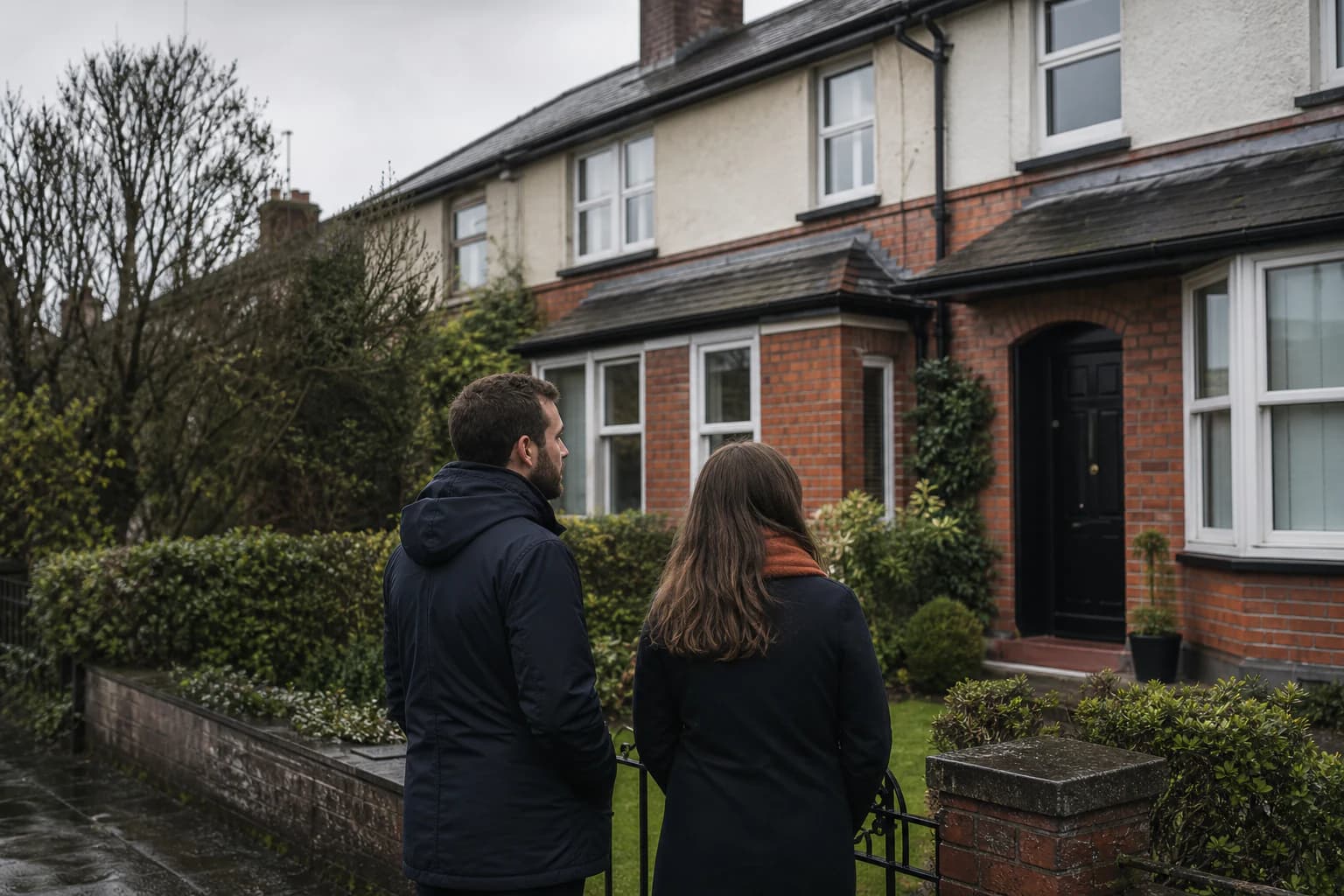
Order Matters
Run the cheap checks before the costly ones.
The location records cost almost nothing and rule houses out early. Save the surveyor and solicitor for the one house you actually buy.
The Range
Pay per property.
Never a subscription.
Single Report
ONE-OFF · ONE PROPERTY
- All 18 checks, full PDF
- Flood, radon, BER & planning maps
- Comparable sold prices (PPR)
- Buyer's notes & viewing checklist
House Hunter
3 REPORTS · €19.67 EACH · NEVER EXPIRE
- Everything in Single Report
- Check every serious contender
- Credits never expire
- Save €28 vs single reports
Serious Buyer
5 REPORTS · €15.80 EACH
- Everything in House Hunter
- For buyers viewing every weekend
- Best value per report
- Save €66 vs single reports
One-off payments · Secured by Stripe · Nothing to cancel
Frequently Asked Questions
Buying a house in Ireland: FAQs.
What should I check before buying a house in Ireland?
Three groups of checks, in cost order: first the location's records (flood history, radon, mica/pyrite designations, BER, planning applications, crime statistics, schools, broadband and sold prices), the 18 checks PropertyPack runs for any Eircode in about a minute, free snapshot first; then, once sale agreed, the professional checks: a surveyor for the building and a solicitor for the title; finally the closing checks: contracts, insurance including flood cover, and closing costs.
What does a solicitor check versus a surveyor versus a data check?
The solicitor checks the paperwork: title, planning compliance, boundaries, contracts. The surveyor checks the physical building: structure, roof, damp, defects. A data check covers the location's official records: flood, radon, planning pipeline, crime, prices. All three answer different questions, and skipping any one of them is where expensive surprises come from.
How much does buying a house in Ireland cost on top of the price?
Typical additional costs: solicitor's conveyancing fees €1,500–€3,000 plus outlays; a pre-purchase survey €450–€799; stamp duty at 1% of the price for most homes (higher bands apply on higher values: see Revenue for current rates); lender's valuation fee; mortgage protection insurance; and a €29 data check per property you're serious about.
When should I get the survey done?
After your offer is accepted, before contracts are signed. Surveying every house you bid on would cost thousands; that's why the order matters: run the cheap location checks on every contender, and pay for the surveyor once, on the house you're actually buying.
What are the biggest red flags when buying?
Recorded flood events at the address, a mica/pyrite-designated area (Donegal, Mayo and others: check the DCB designation), no BER or an F/G rating, dense planning activity that changes the area, and sold-price comparables far below the asking price. None is automatically a deal-breaker, but every one of them should change what you ask, what you offer, or both.
How much deposit do I need to buy a house in Ireland?
Under Central Bank lending rules, most first-time buyers need a minimum 10% deposit, with mortgage borrowing capped at four times gross income. Get approval in principle before you start bidding: sellers take bidders with approval in place more seriously, and it tells you your real ceiling.
Is the checklist different for a new build?
The location checks apply unchanged: new estates can sit on flood-risk land or in high-radon areas like any other address. What changes: a snag list replaces much of the structural survey's role, HomeBond/structural warranties cover certain defects, and Help to Buy may apply. Timing also differs, because you often go sale agreed long before the house physically exists.
Is this a survey?
No. Steps one to four are desk checks of official data, which the report runs for you in minutes. The survey is a later step, on the house you have decided to chase.
Do I need an account?
No. Enter the Eircode, get the free snapshot in about a minute, and pay €29 for the full report as a guest. If you are checking several houses, a pack of 3 reports costs €59 with a free account.
What if I am checking several houses?
Run the free snapshot on each one. If you want the full report on more than one, a pack of 3 reports costs €59 with a free account, and the credits never expire.