An Eircode points to one building, which makes it the quickest way to pull up the official records that exist for that address. Before you bid, it is worth reading the ones that can change what a house is worth to you: flood, radon, energy rating, past sale prices and planning. Here is what each record tells you and where it comes from.
Flood: is the address in a flood zone?
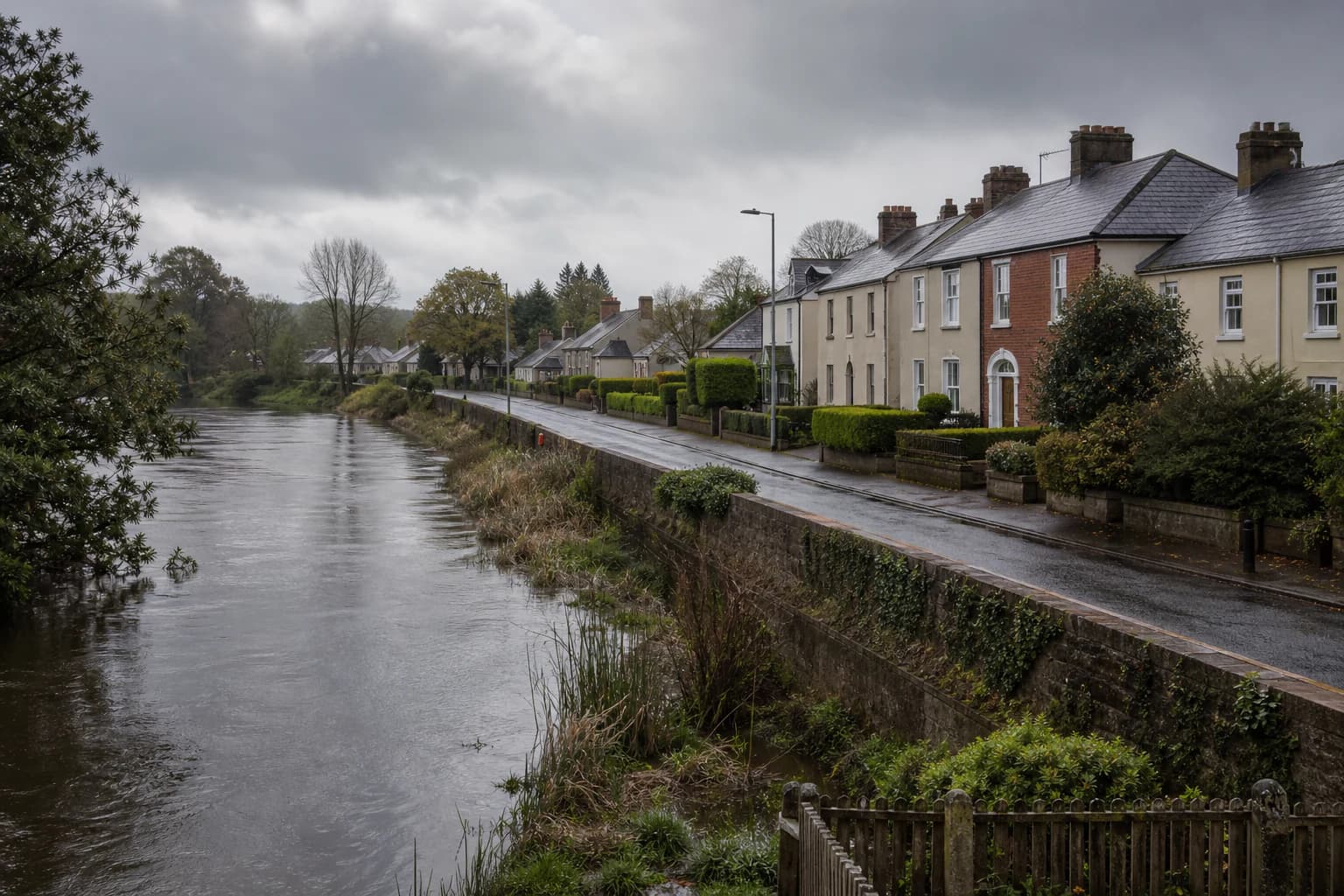
The OPW publishes flood maps and a database of recorded past floods on floodinfo.ie. Together they answer two different questions: whether the location is mapped as likely to flood, and whether flooding has been reported nearby before. A recorded event is a report of past flooding, not a verdict on one house. Our guide to whether your house is at risk of flooding explains how to read both.
Energy: what is the BER, and what does it cost to run?
Every home offered for sale needs a BER certificate, and the rating is shown in the advertisement. The certificate number lets you pull up the advisory report, which lists the improvements an assessor recommends. The BER rating check shows what the letter means for a house like the one you are viewing.
Radon and defective blocks
The EPA maps radon by area, and a long-term test is the only way to know a particular house’s level. Separately, some counties are designated under the defective concrete blocks scheme, which matters for houses built with mica or pyrite blocks. Neither shows on a listing. See the radon risk check and the mica and pyrite check.
Sale prices and planning
- Property Price Register. Records the price paid and the date for residential sales, so you can compare an asking price with what neighbouring homes actually sold for.
- Planning applications. Your local authority’s planning register shows recent and pending applications near the address, such as an extension next door or a new estate behind the house.
Putting it together
You can look each of these up one by one. A PropertyPack report runs them for the Eircode you enter and puts them in one document, with a free snapshot in about a minute and the full 18-check report for €29. It sits alongside a solicitor and a surveyor, not in place of them.
Try it on a house you are viewing
Start with the Eircode property check, or see what a finished report looks like in the sample report.
About this article
Written by the PropertyPack.ie team and published 26 October 2026. Figures render directly from the official datasets behind our reports, so they update when the underlying record does. General information for Irish home buyers, not legal, financial or tax advice.