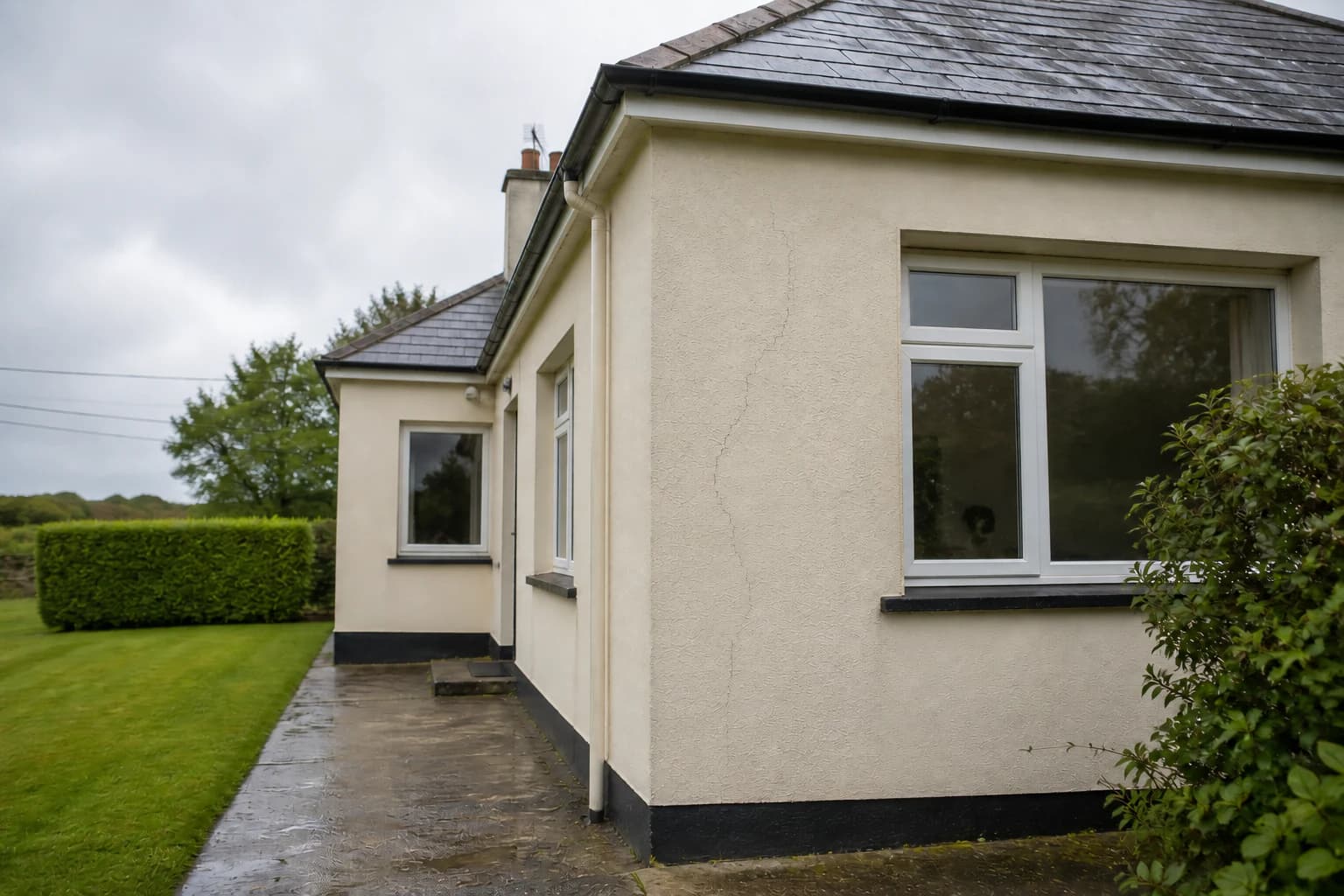
A Building Energy Rating (BER) is the A-to-G label on every Irish home being sold or rented, and it is the quickest way to estimate what the house will cost to heat before you make an offer. Across the 1,309,505 BER audits published between 2009–2025, 34% were graded D or worse. That is a third of audited homes starting at a disadvantage — and the gap between a C and an F is worth real money every winter. Here is how to read the letter, what it implies in running costs, and what to ask the seller.
What the BER letter actually tells you
The rating measures modelled primary energy use per square metre per year for heating, hot water, ventilation and lighting under standard occupancy. It is calculated by an assessor from the building's fabric and systems — walls, roof, windows, boiler or heat pump — and registered with SEAI. Two things follow:
- It compares houses, not households. A BER does not know how many people live there or how warm they keep it, so treat the cost figures below as a like-for-like guide, not a forecast of your bill.
- Sub-grades matter. The letters split into numbered sub-bands (A1 to G). A C3 and a D1 are neighbours; a C1 and a D2 are not.
What each grade implies for heating costs
Using the midpoint energy use of each SEAI band, a 100 m² home — a modest three-bed semi — heats as follows at the fuel rates we last reviewed on 2026-04-16. The fuel matters as much as the grade: electricity is priced at several times the per-kWh rate of mains gas, which is why a heat pump's very low energy use is what makes electric heating affordable.
| BER | kWh/m²/yr | Mains gas | Oil | Electricity |
|---|---|---|---|---|
| A2 | 40 | €340 | €360 | €1,280 |
| B2 | 115 | €978 | €1,035 | €3,680 |
| C2 | 190 | €1,615 | €1,710 | €6,080 |
| D1 | 245 | €2,083 | €2,205 | €7,840 |
| E1 | 320 | €2,720 | €2,880 | €10,240 |
| F | 410 | €3,485 | €3,690 | €13,120 |
| G | 480 | €4,080 | €4,320 | €15,360 |
Source: SEAI BER band midpoints × bundled fuel rates (reviewed 2026-04-16). Modelled estimates, not actual bills.
On those assumptions, moving from a C2 to an F on mains gas is the difference between roughly €1,615 and €3,485 a year. That is the number to put beside a price reduction when you are deciding whether a draughty F is actually cheaper than the C next door.
How Irish homes split by grade
Of the BER audits in the CSO's EBA02 table, 17.8% are A-rated, 31.2% are C, 34% are D or worse and 9.1% are F or G. Two cautions. This is a share of BER audits, not of every home in the country: audits skew towards homes that were recently built, sold, rented or grant-retrofitted. And the audited stock keeps shifting as new A-rated homes are added, so a county's share of E–G homes among the older housing you are actually viewing may be higher than the headline.
County differences are large. The highest shares of F and G audits are in Leitrim (16.4%), Roscommon (16.3%), Offaly (14.6%); the lowest are in Kildare (4.7%), Meath (5.7%), Dublin (7.2%). Our county pages show the full distribution — for example Dublin, Cork and Galway.
What to ask before you bid
- Is there a valid BER certificate? A seller must have one when the home is advertised. Ask for the certificate number and the advisory report that comes with it.
- How old is it, and has the house changed since? An extension, new windows or a heating upgrade after the assessment means the label may understate the home; a certificate that predates a conversion may overstate it.
- What does the advisory report recommend? It lists the improvements an assessor would make and the energy each saves — a ready-made list for your surveyor and your first-year budget. Your mortgage lender may also want to see the rating.
- What is the heating fuel? Compare like with like using the table above before you compare asking prices.
Our surveyor guide covers the physical checks that sit behind the number, and the full cost of buying a house shows where first-year retrofit money sits against fees.
How to check the BER for any address
The public SEAI register lets you look up a certificate by number, and our BER rating guide explains each line of it. For a specific house, a PropertyPack report pulls the BER into the same view as flood history, radon, planning and more.
Run the BER with 17 other checks
A PropertyPack report covers 18 official checks for any Eircode — BER included — with a free snapshot in about a minute and the full report for €29. See a sample report first.
About this article
Written by the PropertyPack.ie team and published 5 October 2026. Figures render directly from the official datasets behind our reports, so they update when the underlying record does. General information for Irish home buyers, not legal, financial or tax advice.